Choosing the right coffee beans can make or break your morning cup. Whether you're pulling shots on your espresso machine or brewing a full pot in your drip coffee maker, understanding the differences between espresso beans and drip coffee beans will dramatically improve your coffee experience.
The truth is, any coffee bean can technically be used for either brewing method. However, the roast level, grind size, and bean origin all play crucial roles in extracting the best flavors from your specific brewing method. Let's dive into what makes certain beans perfect for espresso while others shine in your drip coffee maker.
Understanding the Key Differences
What Makes Espresso Beans Different?
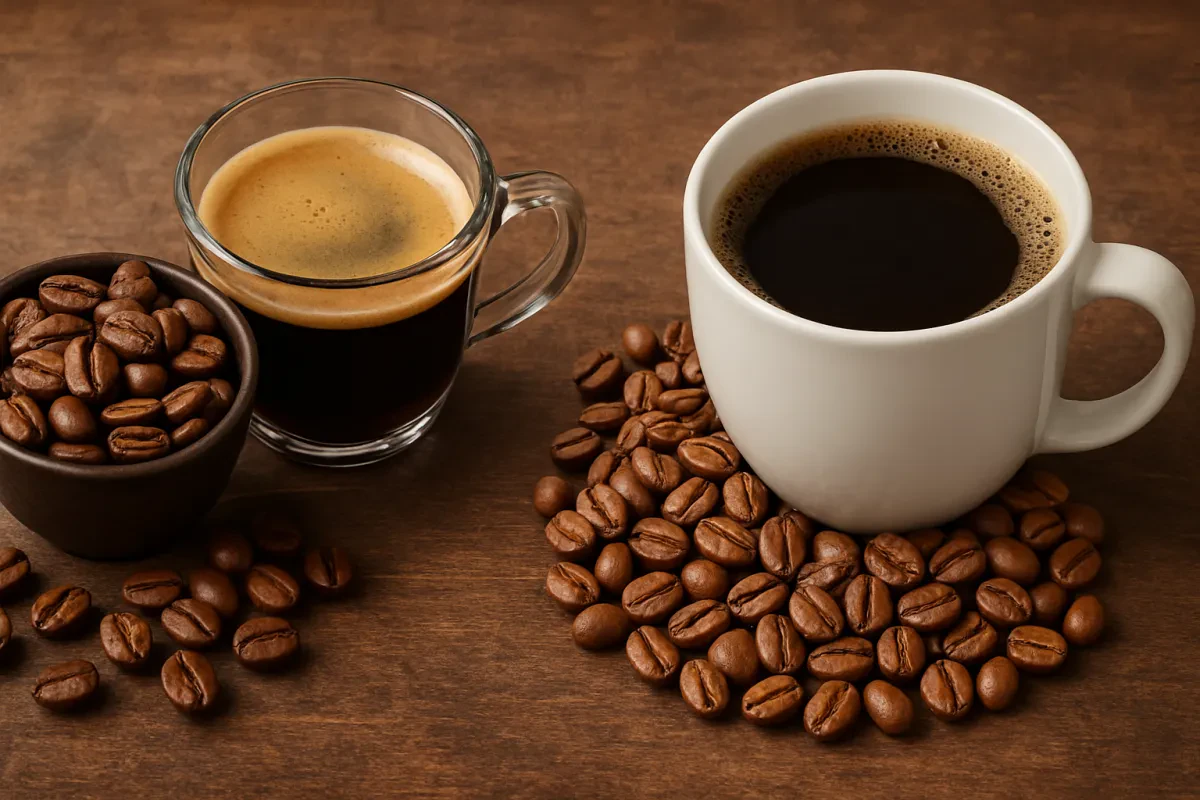
Espresso beans aren't actually a different type of bean, they're simply roasted and prepared differently to match the high-pressure extraction method used in espresso machines. The intense brewing process requires beans that can withstand quick extraction while delivering concentrated flavors.
Key characteristics of espresso beans:
- Darker roast profiles (medium-dark to dark)
- Oily surface from extended roasting
- Lower acidity with bold, robust flavors
- Often blends combining multiple origins
- Ground much finer than drip coffee
What Makes Drip Coffee Beans Ideal?
Drip coffee beans benefit from lighter to medium roasts that allow more nuanced flavors to develop during the longer extraction time. The slower brewing process in drip coffee makers gives water more time to extract subtle flavor notes and aromatic compounds.
Key characteristics of drip coffee beans:
- Light to medium roast levels
- Dry bean surface with minimal oils
- Higher acidity showcasing origin flavors
- Often single-origin for flavor clarity
- Medium grind size for optimal extraction
Best Coffee Beans for Espresso Machines
1. Lavazza Super Crema Whole Bean Coffee
This Italian classic delivers smooth, creamy espresso with notes of hazelnuts and brown sugar. The medium roast works perfectly for home espresso machines, creating rich crema without overwhelming bitterness. The blend of Arabica and Robusta beans provides the body and caffeine kick espresso lovers crave.
Perfect for: Beginners and daily espresso drinkers
Flavor profile: Mild, creamy, nutty
Roast level: Medium
2. Lavazza Qualità Rossa Ground Coffee
A darker Italian roast that brings chocolate notes and full body to every shot. This blend combines beans from Brazil and Africa for a balanced, traditional espresso experience. The pre-ground option saves time, though whole bean enthusiasts may want to grind fresh for peak flavor.
Perfect for: Traditional espresso shots and cappuccinos
Flavor profile: Chocolate, dried fruit, full-bodied
Roast level: Dark
3. illy Classico Medium Roast Whole Bean Coffee
Consistently smooth with balanced sweetness and a hint of caramel, illy's signature blend uses nine different Arabica beans. The medium roast level makes it versatile for both straight espresso and milk-based drinks. The pressurized canning keeps beans fresh for months.
Perfect for: Milk-based espresso drinks
Flavor profile: Caramel, smooth, balanced
Roast level: Medium
4. Peet's Coffee Espresso Forte Whole Bean
For those who love intense, bold espresso, Peet's Espresso Forte delivers powerful flavor with a thick, syrupy body. The dark roast brings forward smoky, bittersweet notes that cut through milk beautifully in lattes and cappuccinos.
Perfect for: Dark roast enthusiasts
Flavor profile: Bold, smoky, bittersweet
Roast level: Dark
5. Stumptown Hair Bender Whole Bean Coffee
A lighter espresso option that showcases fruit-forward flavors and bright acidity. This blend works exceptionally well for those who prefer modern, specialty espresso with more complexity and less roastiness.
Perfect for: Specialty coffee fans wanting something different
Flavor profile: Citrus, berry, complex
Roast level: Medium
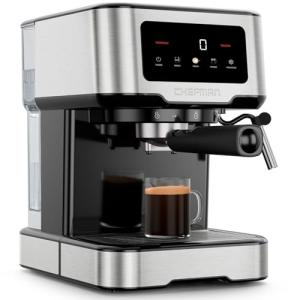
Chefman 15-Bar Espresso Machine with Steam Wand
Make rich, café-quality espresso at home with the easy-to-use steam wand for perfect frothy milk!
Product information
$119.99 $75.63
Product Review Score
4.12 out of 5 stars
208 reviewsProduct links
Best Coffee Beans for Drip Coffee Makers
1. Peet's Coffee Big Bang Medium Roast
This medium roast delivers a bright, vibrant cup with pleasant acidity and layers of flavor. The blend incorporates beans from three continents, creating complexity that shines through drip brewing's slower extraction.
Perfect for: Morning coffee enthusiasts
Flavor profile: Bright, balanced, complex
Roast level: Medium
2. Kicking Horse Coffee Kick Ass Dark Roast
Despite being a dark roast, Kicking Horse maintains impressive flavor without excessive bitterness. The organic, fair trade beans from Central and South America create a bold yet smooth drip coffee experience. The resealable bag keeps beans fresh between brews.
Perfect for: Those who want dark roast without bitterness
Flavor profile: Bold, chocolate, smooth finish
Roast level: Dark
3. Caribou Coffee Caribou Blend Medium Roast
A crowd-pleasing medium roast that performs consistently in any drip coffee maker. Sweet and syrupy with notes of caramel and nuts, this blend satisfies both casual coffee drinkers and those with more refined palates.
Perfect for: Everyday drinking and office coffee makers
Flavor profile: Sweet, caramel, nutty
Roast level: Medium
4. Intelligentsia Black Cat Classic Espresso (Yes, for Drip Too!)
While labeled for espresso, this blend shines equally bright in drip coffee makers. The medium roast brings chocolate, cherry, and almond notes that develop beautifully with drip extraction times.
Perfect for: Versatile coffee drinkers with multiple brewing methods
Flavor profile: Chocolate, cherry, almond
Roast level: Medium
5. Eight O'Clock Original Whole Bean Coffee
An affordable option that doesn't sacrifice quality. This medium roast delivers smooth, balanced flavor perfect for daily drip coffee consumption. The 100% Arabica beans provide clean flavors without heavy roast characteristics.
Perfect for: Budget-conscious coffee lovers
Flavor profile: Smooth, balanced, approachable
Roast level: Medium
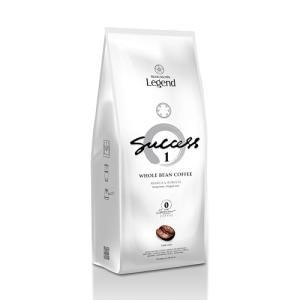
TNG Success Coffee Blend
Wake up and elevate your coffee game with this rich and balanced blend designed for success
Product information
Product Review Score
4.48 out of 5 stars
11 reviewsProduct links
Roast Levels Explained
Understanding roast levels helps you select beans that match your taste preferences and brewing method.
Light Roast
Light brown color, no oil on surface, highest acidity. Retains most origin characteristics and caffeine content. Best for pour over and drip methods where you want to taste specific growing region flavors.
Medium Roast
Balanced flavor with moderate acidity and body. The most versatile roast level works well for both espresso and drip brewing. Shows both origin characteristics and roast development.
Medium-Dark Roast
Darker color with slight oil sheen developing. Bittersweet aftertaste with heavier body. The preferred level for most espresso preparations and those who like bold drip coffee.
Dark Roast
Very dark brown to almost black, shiny with surface oils. Pronounced bitterness with low acidity. Best for espresso or those who prefer bold, intense coffee flavors over origin characteristics.
Bean Origin Matters
Where coffee grows significantly impacts its flavor profile. Matching origin characteristics with your brewing method creates better results.
Latin American Beans (Colombia, Brazil, Costa Rica)
Clean, balanced flavors with nutty and chocolate notes. These beans work wonderfully for both espresso and drip brewing. Medium acidity makes them approachable for most palates.
African Beans (Ethiopia, Kenya, Tanzania)
Bright, fruity, and complex with wine-like acidity. Ethiopian beans especially shine in drip coffee where their floral notes can fully develop. Can taste overly acidic in espresso unless carefully roasted.
Asian Beans (Sumatra, Java, Papua New Guinea)
Earthy, herbal, and full-bodied with low acidity. Indonesian coffees create thick, syrupy espresso and bold drip coffee. The heavy body stands up well to dark roasting.
Arabica vs Robusta: Which is Better?
Most specialty coffee uses 100% Arabica beans, but traditional Italian espresso blends often include Robusta for specific reasons.
Arabica Beans
- Sweeter, more complex flavors
- Higher acidity and lighter body
- Contains less caffeine
- Grows at higher elevations
- More expensive
- Preferred for single-origin drip coffee
Robusta Beans
- Stronger, more bitter taste
- Fuller body and less acidity
- Contains nearly double the caffeine
- Easier to grow at lower elevations
- Less expensive
- Creates better crema in espresso
Many quality espresso blends combine both bean types. The Arabica provides flavor complexity while Robusta adds body, crema, and caffeine. Pure Arabica espressos taste cleaner but may lack the thick texture some prefer.
For drip coffee, stick with 100% Arabica beans. The longer extraction time would amplify Robusta's harsh, rubbery flavors that work in espresso's quick extraction.
Grind Size: The Make-or-Break Factor
Using the wrong grind size ruins even the best beans. Your brewing method determines the ideal grind.
Espresso Grind
Very fine, almost powder-like consistency. The high pressure of espresso machines requires this fine grind to create resistance for proper extraction. Too coarse and water rushes through too quickly, creating weak, sour espresso. Too fine and water can't pass through, making bitter, over-extracted shots.
Drip Coffee Grind
Medium grind, similar to granulated sugar texture. This allows water to flow through at the right pace during the several-minute brewing cycle. Too fine clogs filters and creates bitter coffee. Too coarse produces weak, under-extracted brew.
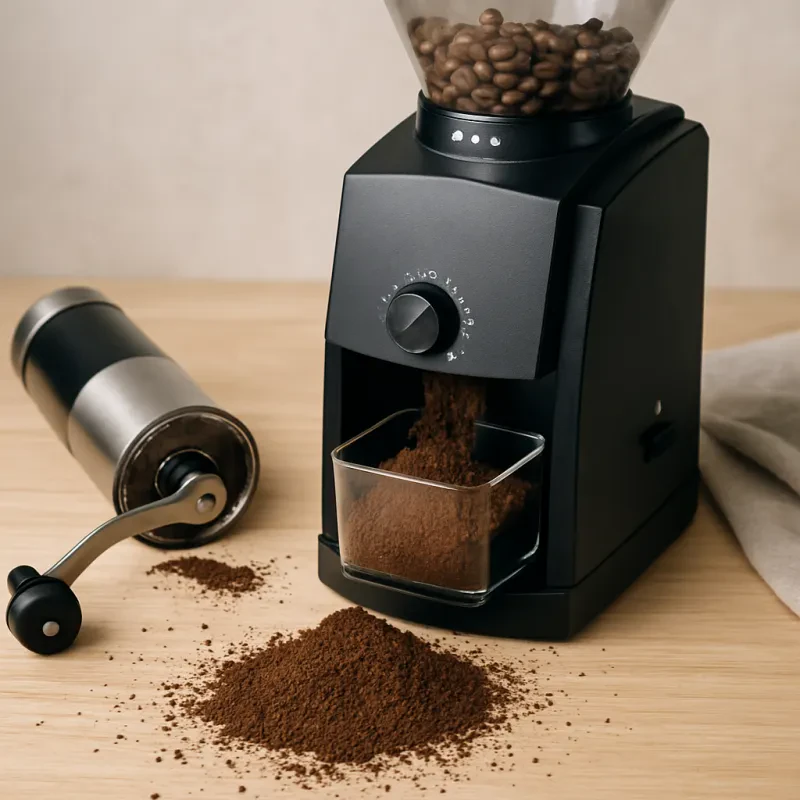
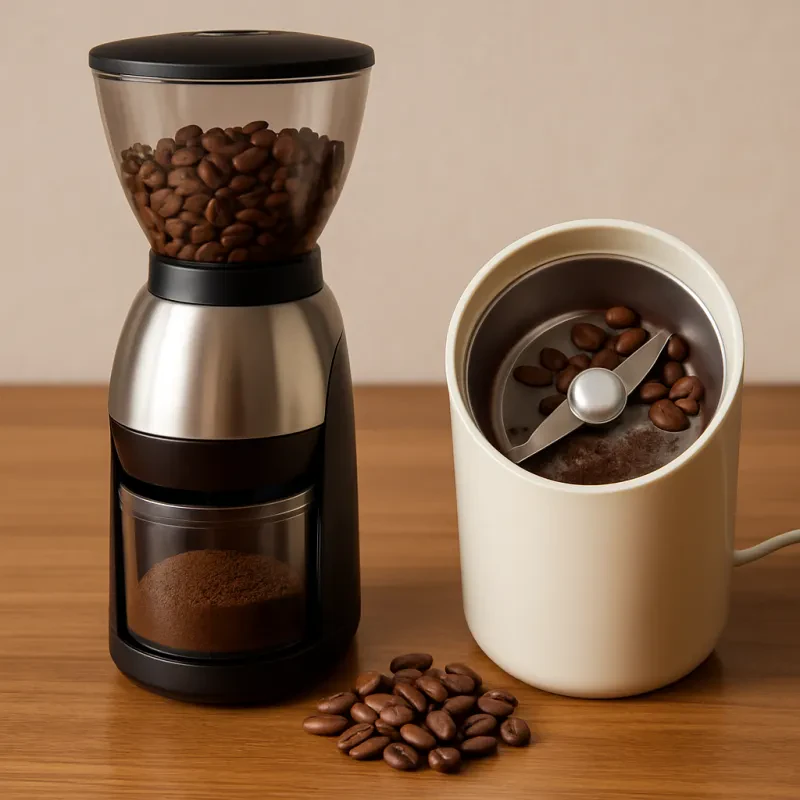
Invest in a quality burr grinder rather than buying pre-ground coffee. Burr grinders create uniform particle size crucial for consistent extraction. Blade grinders produce uneven grounds that extract at different rates, creating muddled flavors.
Freshness: The Often Overlooked Factor
Coffee beans start losing flavor immediately after roasting. Understanding freshness helps you buy and store beans properly.
Peak Freshness Timeline:
- Days 3-14 after roasting: Peak flavor development
- Weeks 2-4: Still excellent, flavors fading
- Months 1-3: Noticeably stale but drinkable
- Beyond 3 months: Significantly degraded
Always check roast dates when buying coffee. Quality roasters print this date clearly on their bags. Avoid grocery store brands without roast dates, they're often months old.
Storage Tips:
- Keep beans in airtight containers
- Store in cool, dark places
- Never refrigerate or freeze (causes condensation)
- Buy smaller quantities more frequently
- Grind just before brewing
Whole beans stay fresh longer than pre-ground coffee. Ground coffee loses flavor within hours due to increased surface area exposure to air.
Can You Use Espresso Beans in Drip Coffee Makers?
Absolutely! While espresso beans feature darker roasts suited for high-pressure extraction, they work perfectly fine in drip coffee makers. You'll get bold, robust coffee with chocolate and caramel notes.
The main adjustment needed is grind size. Espresso beans ground for drip brewing (medium grind) create rich, full-bodied coffee. Some find darker roasts too intense for drip brewing, but it's purely personal preference.
Can You Use Drip Coffee Beans in Espresso Machines?
This depends on the beans. Light roast, single-origin beans designed for drip coffee may taste overly acidic and sour when extracted as espresso. The high pressure and quick extraction time emphasize acidity without allowing sweetness to develop.
However, medium roast drip coffee beans often work well for espresso. The key is choosing beans with enough body and sweetness to withstand the intense extraction. Lighter roasts work better for milk-based drinks where milk balances their brightness.
Decaf Options for Both Methods
Decaf coffee gets a bad reputation, but modern processing methods create excellent decaffeinated beans for both espresso and drip brewing.
Best Decaf Process: Swiss Water Process removes caffeine without chemicals, preserving more origin flavors than traditional methods. Look for this on packaging.
Recommended Decaf Beans:
- Kicking Horse Decaf (drip)
- Lavazza Decaf (espresso)
- Peet's Decaf (both methods)
Decaf beans require the same attention to roast level and freshness as regular coffee. Many roasters create decaf versions of their popular blends.
Organic and Fair Trade: Are They Worth It?
Organic and fair trade certifications impact both farming practices and often flavor quality.
Organic Coffee grows without synthetic pesticides or fertilizers. Organic farms typically use more traditional, labor-intensive methods that can improve bean quality. Certified organic coffee costs more due to certification expenses and lower yields.
Fair Trade Coffee ensures farmers receive fair compensation and work in safe conditions. This certification doesn't directly indicate quality, but farms with resources to treat workers fairly often invest in better processing methods too.
For the best of both worlds, look for beans with both certifications. Several brands mentioned earlier carry these designations.
Tips for Buying Coffee Beans Online
Shopping for coffee beans online opens access to fresh, specialty roasters nationwide. Follow these guidelines for the best results.
What to Look For:
- Clear roast date (within last month)
- Information about origin and processing
- Customer reviews mentioning flavor notes
- Whole bean options when possible
- Reasonable prices ($12-20 per pound is quality range)
Red Flags:
- No roast date listed
- Vague descriptions without origin info
- Extremely cheap prices (likely old beans)
- Only available pre-ground
- Unrealistic flavor claims
Subscribe to coffee roasters for regular deliveries. Many offer discounts and ensure you never run out of fresh beans.
Brewing Tips to Maximize Your Beans
Great beans deserve great brewing techniques. These tips work regardless of your chosen beans or method.
For Espresso:
- Use 18-20 grams of coffee for double shots
- Aim for 25-30 second extraction time
- Water temperature should be 195-205°F
- Tamp with consistent, firm pressure
- Clean your machine regularly
For Drip Coffee:
- Use 1-2 tablespoons coffee per 6 ounces water
- Bloom grounds with small water amount first
- Maintain water temperature of 195-205°F
- Clean coffee maker weekly
- Use filtered water for best flavor
Both methods benefit from proper water quality. Tap water with heavy minerals or chlorine affects coffee flavor. Use filtered water for the cleanest taste.
The Bottom Line: Choosing Your Perfect Beans
Selecting between espresso and drip coffee beans comes down to your brewing method, flavor preferences, and desired intensity.
Choose espresso-specific beans if you:
- Prefer bold, intense flavors
- Make primarily espresso and milk drinks
- Enjoy dark roast characteristics
- Want impressive crema production
- Like traditional coffee shop taste
Choose drip coffee beans if you:
- Appreciate subtle, complex flavors
- Brew primarily in drip coffee makers
- Enjoy lighter, brighter coffees
- Want to taste origin characteristics
- Prefer nuanced morning coffee
The best approach? Keep both types on hand. Use your espresso beans for morning shots and lattes while brewing medium roast drip beans for leisurely afternoon cups. Experimenting with different beans, origins, and roast levels helps you discover your perfect coffee profile.
Remember that fresh beans, proper grind size, and good brewing technique matter more than any specific brand. Start with recommendations that match your preferences, then explore from there. The world of specialty coffee offers endless varieties to keep your daily ritual exciting.
Whether you're pulling shots on your Breville Barista Express or brewing a pot in your reliable drip machine, choosing the right beans transforms ordinary coffee into something exceptional. Happy brewing!
About Cool Coffee Gear: We review and recommend coffee equipment and beans to help you brew your perfect cup at home. As an Amazon Associate, we earn from qualifying purchases at no additional cost to you.